Children's Day 2026: 15 Story-Based Activities for Home and School
Children's Day in India is celebrated every year on 14 November, the birth anniversary of Pandit Jawaharlal Nehru, who was famously fond of children and believed they were the real strength of the country. In 2026 it falls on a Saturday, which means many schools will mark it on Friday the 13th, and families get the whole weekend to celebrate at home.
Most celebrations follow a familiar pattern: teachers perform for students, there are sweets, maybe a fancy-dress competition. All lovely. But if you want the day to leave something behind beyond a sugar rush, stories are one of the best tools you have. This guide brings together 15 story-based activities for Children's Day 2026, split into ideas for home and ideas for school, with notes on which ages each one suits and how much preparation it really needs.
Why build Children's Day around stories?
Stories do something few other activities manage: they get a room full of very different children to sit still, imagine the same thing together and then talk about it. A shy child who will not speak in class will often answer a question about a story character. A restless child who cannot sit through a lecture will lean in to find out what happens next.
Stories also connect neatly to what Children's Day is meant to be about: curiosity, kindness, imagination and every child's right to a happy childhood. And unlike a one-off performance, a love of reading started on Children's Day can carry on for years.
Story-based Children's Day activities at home
You do not need a big budget or a lot of preparation for any of these. Most need only a book, a bit of paper and your time.
1. A Children's Day reading picnic
Best for: all ages. Preparation: 15 minutes.
Spread a mat on the balcony, terrace or in a nearby park, pack a few snacks and a small pile of books, and let your child choose the order. Read to younger children, and let older ones read a page or two to you. The setting makes ordinary reading feel like an event, which is exactly the point on a special day.
2. Let your child be the storyteller
Best for: ages 4 and up. Preparation: none.
Turn the usual routine around. Hand your child a familiar picture book and let them "read" it to you, even if they are really telling it from the pictures. Ask questions as if you have never heard the story. Children love being the expert, and retelling a story is one of the best ways to build language and memory.
3. Make your own picture book
Best for: ages 4 to 9. Preparation: 10 minutes (paper, stapler, colours).
Fold four sheets of A4 paper in half and staple them along the fold to make a small book. Your child decides the main character, what that character wants, what goes wrong and how it gets fixed. Younger children draw while you write their words underneath; older ones can write it themselves. Put the date and "Children's Day 2026" on the cover. This becomes a keepsake you will be glad you kept.
4. Story dress-up instead of fancy dress
Best for: ages 3 to 8. Preparation: 20 to 30 minutes.
Ask your child to dress up as a character from a book they love, using whatever is at home: a green dupatta becomes a caterpillar, a cardboard tail turns them into a little dragon, a torch and blanket set the scene for a story about a monster under the bed. Then ask them to tell the family who they are and what happens in their story.
5. Act out a favourite story
Best for: ages 4 to 9, works brilliantly with siblings and cousins. Preparation: none.
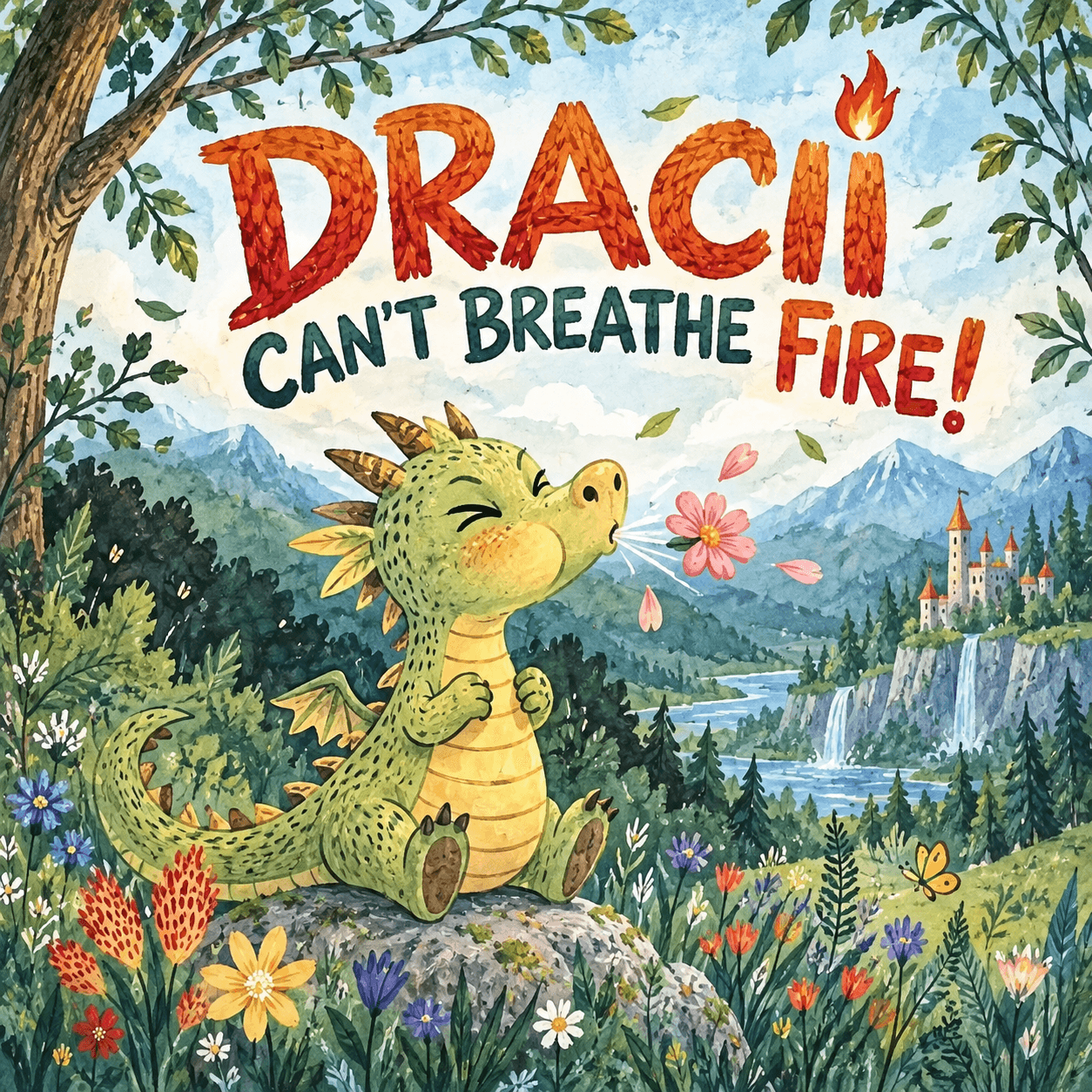
Pick a short story with two or three characters. One adult narrates, the children act. A funny book with plenty of action, such as Dracii Can't Breathe Fire!, where a little dragon tries again and again to breathe fire, is ideal because children can exaggerate every failed attempt.
6. A "first library" corner
Best for: all ages. Preparation: 30 minutes.
Clear one low shelf or a basket and make it your child's own library. Let them sort their books and make a small sign with their name on it. Children read more when books are within easy reach and when they feel ownership over them. Children's Day is a natural moment to set this up, and adding one new book that day makes it special.
7. A nature walk with a story
Best for: ages 3 to 7. Preparation: none.
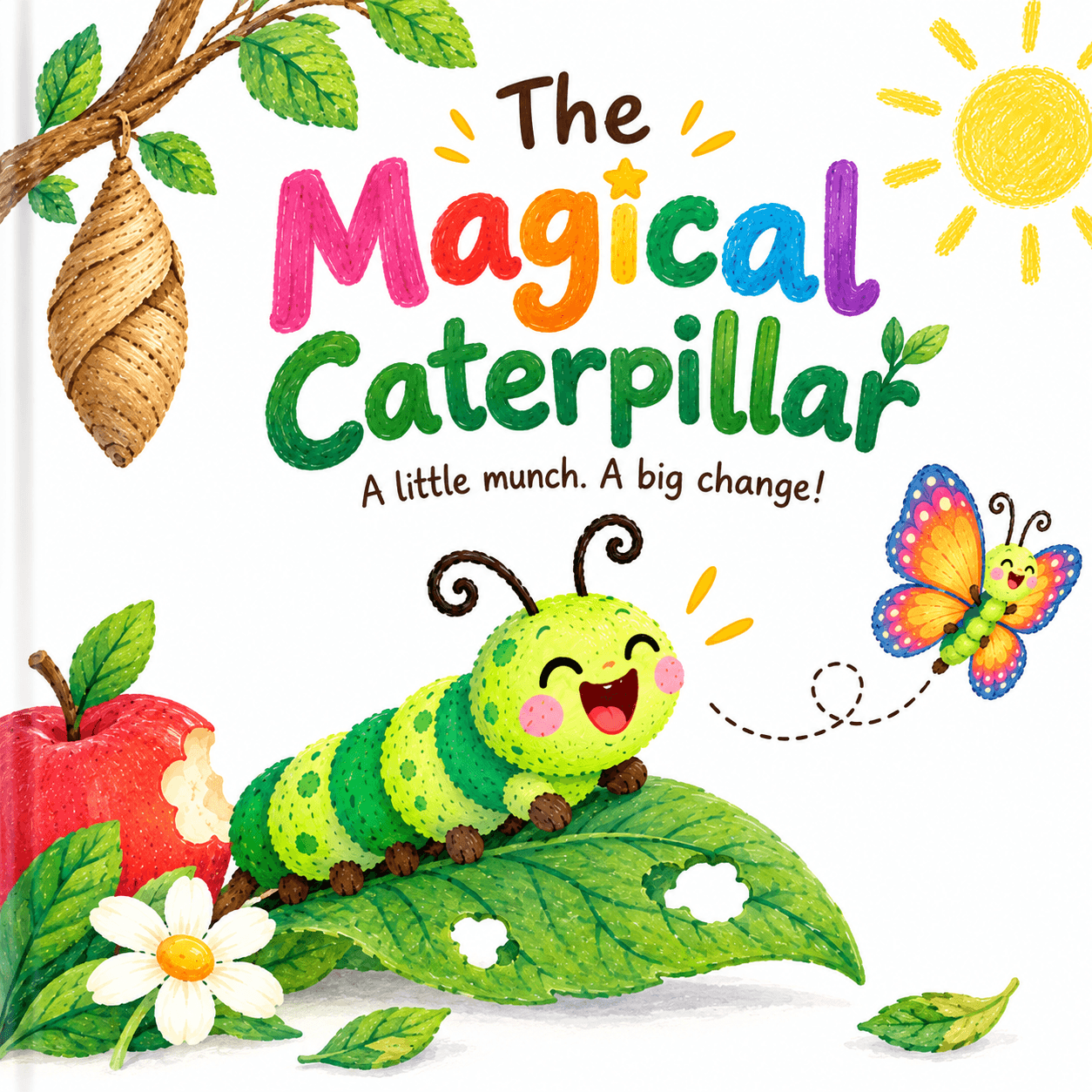
Read a story about something in nature, then go and look for it. After reading The Magical Caterpillar, for example, walk through a garden or park looking for butterflies, caterpillars and the leaves they eat. Linking a story to something real makes both more memorable.
8. A family story chain
Best for: ages 5 and up, great for big family gatherings. Preparation: none.
Sit in a circle. One person begins a story with a single sentence, the next adds one, and so on around the circle. Grandparents are usually brilliant at this. The stories go in silly directions, everyone laughs, and children practise listening and building on someone else's idea.
Story-based Children's Day activities for schools
These ideas work in classrooms, school assemblies, play schools, day cares and residential society events.
9. Teachers' read-aloud session
Best for: pre-primary and primary. Preparation: choosing books.
Instead of (or as well as) a performance, have teachers read their favourite picture books aloud to classes, using voices and expressions. Rotate teachers between classes so children hear different readers. It is simple, it costs nothing, and children talk about it for days.
10. Book character parade
Best for: pre-primary to class 4. Preparation: one week's notice to parents.
A twist on the usual fancy-dress competition: every child comes as a character from a book. Each child holds up the book (or a drawing of the cover) and says one line about their character. It gets families reading together in the week before the event, which is the real win.
11. Story-based drawing competition
Best for: classes 1 to 5. Preparation: minimal.
Read a story aloud, then ask children to draw their favourite part, or draw what they think happens next. Display the drawings in the corridor with the title of the story. This works well with stories that end with a surprise, such as Who Scared Bigfoot?, because every child imagines something different.
12. Reading buddies
Best for: mixed classes, for example class 4 with UKG. Preparation: pairing children and picking books.
Older students read to younger ones in pairs. The older children feel trusted and responsible, and the younger ones look up to them. It builds confidence on both sides and often becomes a regular activity after the first try.
13. A "feelings" story circle
Best for: ages 5 to 9. Preparation: choosing one book.
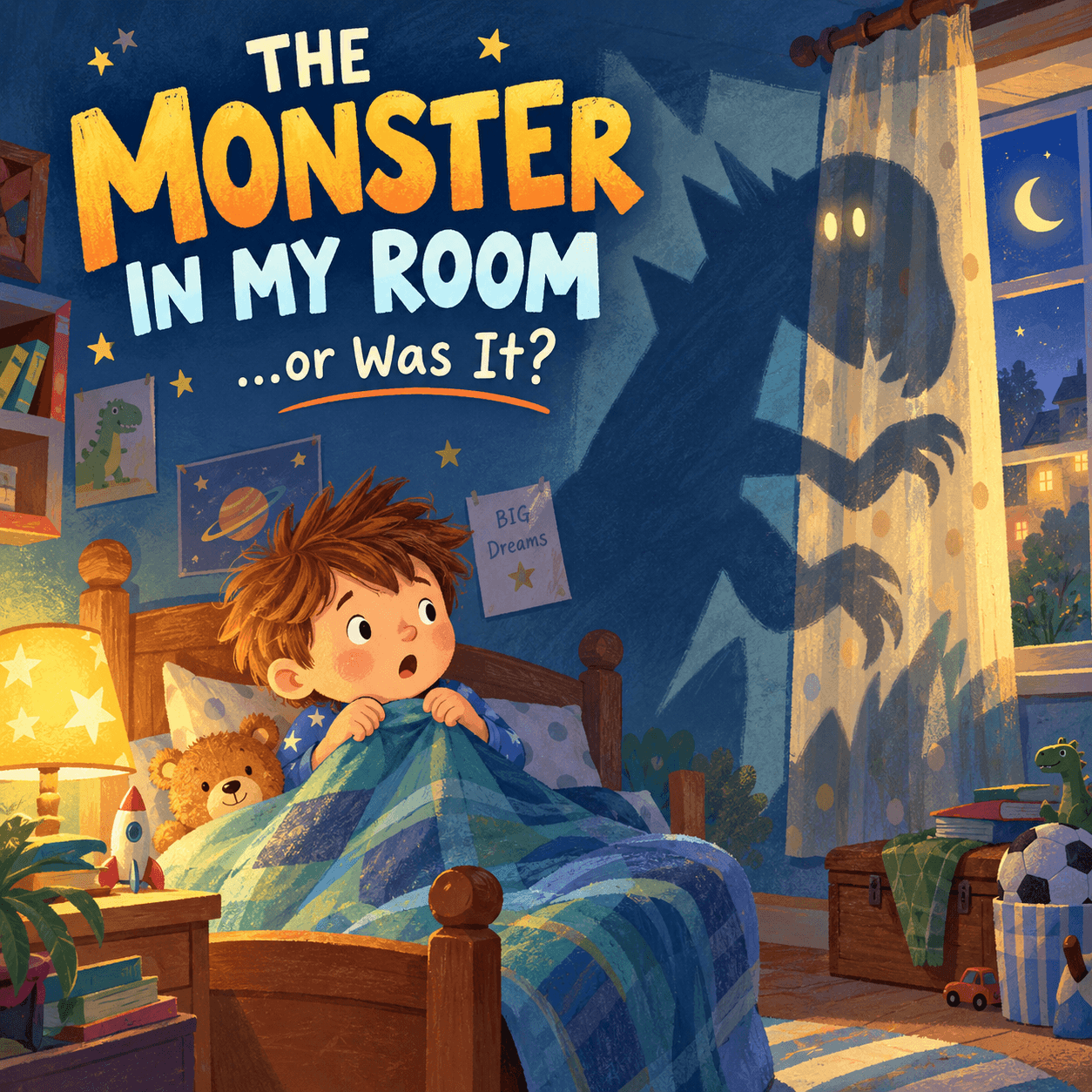
Children's Day is a good moment to talk about how children feel, not just what they achieve. Read a story where a character feels scared, left out or frustrated, then ask the class gentle questions: Have you ever felt like that? What helped? The Monster in My Room is a reassuring starting point for a conversation about fears.
14. A classroom book swap
Best for: classes 2 to 8. Preparation: one week's notice.
Each child brings one book they have finished with and takes home one they have not read. It costs families nothing, every child goes home with something new, and it quietly teaches sharing.
15. Gift every child a book
Best for: schools, play schools, societies and companies. Preparation: order two to three weeks ahead.
If your school or society has a budget for Children's Day gifts, a book for every child is one of the most valuable things you can give. Choose one title for each age group so every child gets something suited to them. You can request a quotation for any number of copies on our bulk and school orders page. With Children's Day on 14 November, ordering by the end of October leaves comfortable time for delivery.
Choosing the right books for Children's Day
Whichever activity you choose, the book makes or breaks it. A few guidelines:
- Match the age, not the occasion. A short, funny story will beat a "meaningful" but long one with young children every time. Our guide to choosing age-appropriate books explains what to look for at each stage.
- Prefer stories with a clear problem and a satisfying ending. These hold attention best when reading to a group.
- Look for illustrations that can be seen from a distance if you are reading to a whole class.
- Include at least one book about feelings or kindness. It fits the spirit of the day and opens up conversations that matter.
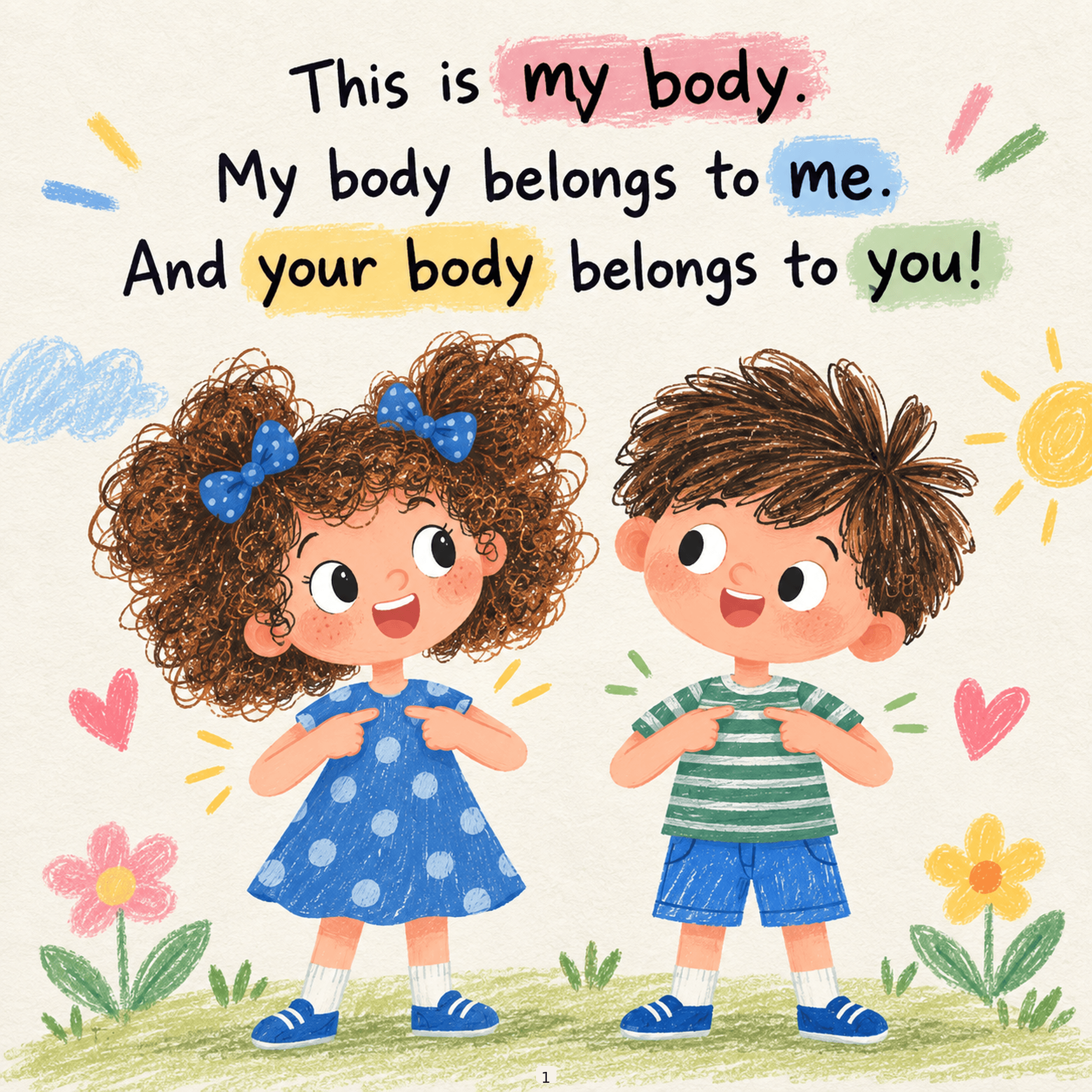
- Keep safety in mind. For older children, a book like My Body, My Rules! is a calm, age-appropriate way to talk about personal safety, an important part of a child's right to a safe childhood.
You can browse picks by age in our collections for ages 3 to 6, ages 4 to 8 and ages 5 to 9.
Making the day last beyond 14 November
The best Children's Day celebrations do not end on the day. If a story activity gets your child excited, keep it going: ten minutes of reading every evening, a weekly visit to the reading corner, a new book every month. Our article on how to raise a child who loves reading has practical ideas for turning a good day into a lasting habit, and our guide to what makes a children's story memorable can help you choose books that children return to again and again.
Frequently asked questions
When is Children's Day 2026 in India?
Children's Day in India is celebrated on 14 November every year, the birth anniversary of Pandit Jawaharlal Nehru. In 2026, 14 November is a Saturday, so many schools are likely to hold their celebrations on Friday, 13 November.
What are some easy Children's Day activities at home?
A reading picnic, making your own picture book, letting your child tell you a story, acting out a favourite book and setting up a small library corner are all easy, low-cost ideas that need little or no preparation.
What can schools give students on Children's Day?
Books are one of the most useful Children's Day gifts a school can give. They are safe, suitable for every child, and they encourage reading at home. Choosing one title per age group keeps it simple. Schools can request a bulk quote on our bulk orders page.
Which story activities work for preschoolers?
Preschoolers enjoy short read-alouds with lots of expression, dressing up as a book character, nature walks linked to a story and simple drawing activities. Keep each activity under 20 minutes and use books with big, clear pictures.
How can Children's Day help build a reading habit?
Use the day to start something small that you can continue, such as a daily ten-minute story time or a reading corner at home. Children are far more likely to keep a habit that began with a fun, special day.
Celebrate the child, celebrate the story
Children's Day is a reminder that childhood is worth protecting, and that curiosity, imagination and kindness are worth encouraging. A good story does all three at once. Whether you are planning a big school event or a quiet Saturday at home, put a book at the heart of it this year. You can find stories for every age in our children's book collection.